
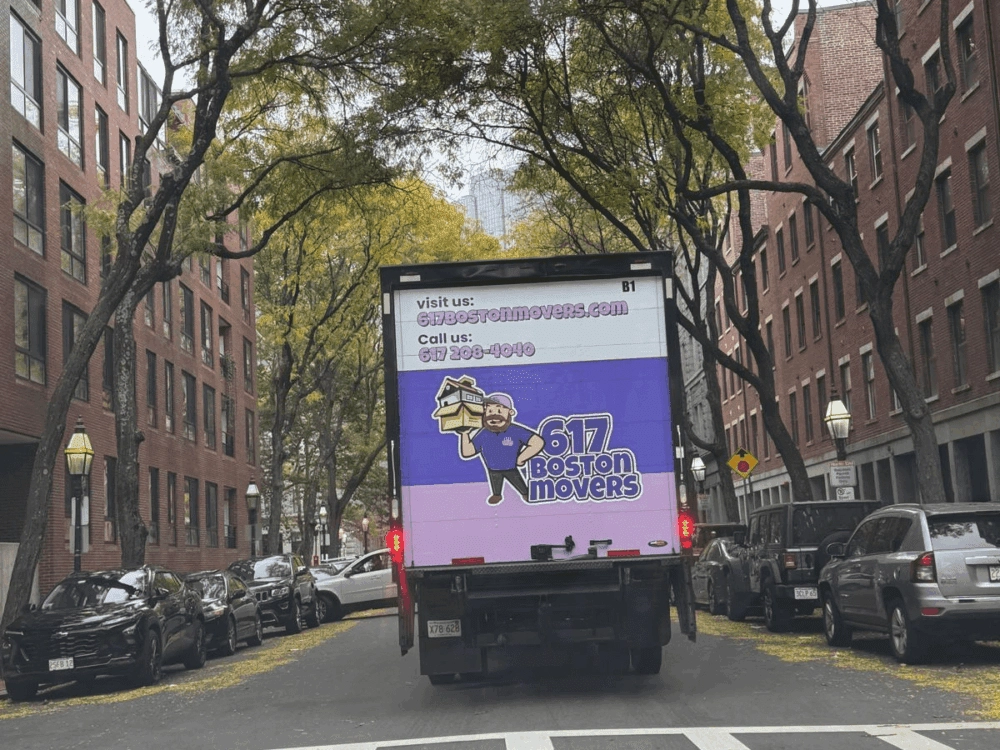
Moving in Boston is not just about packing boxes and hiring Boston movers. The city has its own rhythm, rules, and habits that most people only learn after a stressful move. Streets are narrow. Buildings are old. Parking is limited. And timing matters more than people expect.
Boston locals who are on a home lease plan their moves carefully. This is because even one small mistake can cause delays, fines, or extra costs. Newcomers often assume moving here works the same way as in other cities. That is usually where the problems begin.
These unwritten rules explain how moving really works in Boston and why locals do things differently.
Busiest Moving Day in Boston: September 1
For locals in Boston, September 1 is undoubtedly the most active moving day. Most leases start and end on this date. This happens mainly because of colleges and universities. Students move in and out at the same time, and the rest of the city follows that schedule.
On September 1, everyone planning to move does so at once. Moving trucks line up early in the morning. Streets fill with boxes, mattresses, and furniture. Parking spots disappear almost as quickly.
Locals know this and plan months in advance. Some book professional movers and packers in Boston who work early and take the day off from work. Others avoid September 1 completely and choose a different move date.
Furthermore, Boston movers charge more during this time. Many companies are fully booked weeks in advance. If you wait too long, you may struggle to find help.
Why Allston Turns Into a Furniture Dump Overnight
Allston is famous for something locals call Allston Christmas. On August 31 and September 1, people leave unwanted furniture on the sidewalk. You will see couches, tables, chairs, shelves, and lamps everywhere.

This happens because many students move out at the same time. Instead of taking furniture with them, they leave it behind. Some items are still usable. Others are broken or damaged.
Locals know how to tell the difference. Newcomers often do not. The streets become crowded and messy very quickly. Walking is harder. Driving takes longer. Parking becomes almost impossible.
If you are moving in or near Allston during this time, expect delays and blocked sidewalks.
When to Avoid Storrow Drive No Matter What
Storrow Drive is known for destroying moving trucks every year. The road has very low bridges, and trucks often hit them. This usually happens during late summer and move-in season.
Many newcomers make the mistake of trusting their GPS. Navigation apps sometimes send trucks onto Storrow Drive without warning. One wrong turn can damage the truck and stop your move completely.
Locals know to avoid this road at all costs when driving a moving truck. This is especially important around September 1. Even experienced drivers can make mistakes here if they are not careful.
Why Back Bay Alleys Are Full by 7 AM
Back Bay buildings often rely on alleys instead of main streets for moving. These alleys are narrow and limited. Only a few trucks can fit at a time.
Locals know that timing matters. Movers in Boston arrive very early, sometimes before sunrise. By 7 AM, many alleys are already full. Even the long-distance movers know about this.
If you arrive late, you may have nowhere to unload. Trash trucks and delivery vehicles also use these alleys. When everything overlaps, space disappears quickly. Locals know about this struggle, so they book early time slots.
Double-Parking in Boston
Double-parking happens often during moves in Boston. While it is not officially allowed, there are unwritten rules that locals understand.
Turning on hazard lights shows that you plan to be quick. Keeping the stop short is important. Five or ten minutes is tolerated more than an hour.
Blocking buses or emergency vehicles is never acceptable. Doing that almost always leads to tickets or angry reactions.
If you push your luck, expect annoyed looks or complaints. Locals know when to move quickly and when to clear the space.
Why Boston Movers Refuse Certain Buildings
Moving to some apartments in Boston is a very difficult task. Movers and packers in Boston know this and may refuse the job or charge extra.
Newcomers often find this out too late. Older buildings may have very narrow staircases or sharp turns. Some have no elevators at all.
When Locals Actually Choose to Move
Experienced Bostonians avoid weekends and the first of the month when possible. These times are busy and stressful.
Mid-week and mid-month moves are easier. There are fewer trucks on the road. Parking is simpler. Boston movers are less rushed and more flexible. This timing also reduces the chance of delays. Everything moves at a calmer pace.
What Happens When You Ignore These Rules
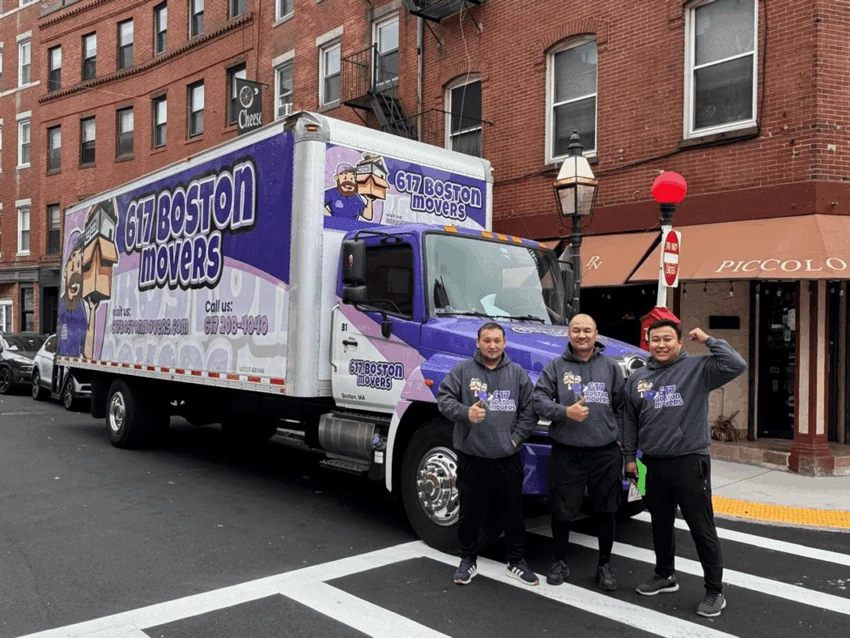
Ignoring these unwritten rules can cause problems quickly. Movers in Boston may arrive late or leave early. Parking tickets and fines add up fast.
Trucks can get stuck or damaged. Hours can be wasted driving around looking for a space. Most of these issues are avoidable. Locals avoid them because they have learned from experience.
Final Words
Moving in or to Boston is not easy, but it does not have to be overwhelming. The city rewards planning and good timing.
Locals are not lucky. They simply understand how the city works. Once you learn these unwritten rules, moving becomes more manageable and stress-free.
Plan early, choose the right day. Respect the streets and buildings. That is how locals move in Boston.


