
Seeing your small business grow is a feeling that not everyone can understand. It’s exactly like watching your own baby grow up into a beautiful human. But here’s when it gets a bit challenging for every business owner -when it’s time to move.
Maybe your lease expired, or you need more space. Unlike moving houses, moving your office is different. You’ll be moving with equipment, sensitive documents, and worst of all, downtime that will affect your revenue due to operational disruptions. This is why proper planning will save your time, efforts, and business.
This detailed guide, curated by our experts, will provide all the details of moving your small business, along with our tips to make sure the move is hassle-free.
Importance of Strategic Relocation as a Small Business: What’s At Stake?
Moving your small business isn’t as easy as it may seem. Without a strategic plan, it’s like navigating the Boston Big Dig construction without a GPS. And without that? You’re lost and frustrated.

Strategic planning matters because it protects you down the line. For example, if you’re a technical business, you can risk losing critical server data, weeks of downtime, and confused customers who don’t know where to contact you. In addition to this, your employees can also feel unsafe with job security if there is no proper planning. In Boston’s competitive market, you cannot afford to lose your business by taking risks.
Understanding Your Moving Needs
Every business has different needs when moving. What feels right for a restaurant moving to another place may not be right for a law firm.
Your moving requirements depend on multiple factors such as how big your operations are, sensitive materials, timeline, size of your operation, etc. For example, a law firm will focus on handling the sensitive documentation, whereas a retail store will require more focus on inventory protection and setting up things quickly.
Here’s how you can understand your moving requirements:
- Budget Planning: Create proper and realistic expectations for moving costs. Include all the possible expenses.
- Plan a budget for crisis mode: When planning your budget, also include the potential revenue loss so you’ll stay prepared.
- Assess your inventory: Make a list of all furniture, equipment, documents, and materials you need to move.
- Decide a timeline: Set up an ideal moving date and also set up an expected downtime window for your business (which won’t hamper a lot).
- Look for compliance considerations: Certain industries may have specific moving regulations, so check with your authorities or moving company before moving.
- Any special needs: Check for items that need extra security, care, or require climate control.
Once you tick off the boxes above with your answers, you can move to communicate with your moving company. This will ensure they understand your requirements properly without a last-minute mess.
Finding Local Boston Movers For Small Business
From narrow streets in Beacon Hill to the busy Financial District, Boston’s unique layout needs movers who know the ins and outs of the city. When you go with a local mover, they understand the compliances, regulations, permits, traffic patterns, etc, that a non-local company may not be able to grasp.
Comparing professional moving to DIY, experts bring experience that you can’t match. From logistics to providing insurance protection for your valuable assets, they can help you relocate easily. Most importantly, professional Boston movers can help you minimize your downtime.

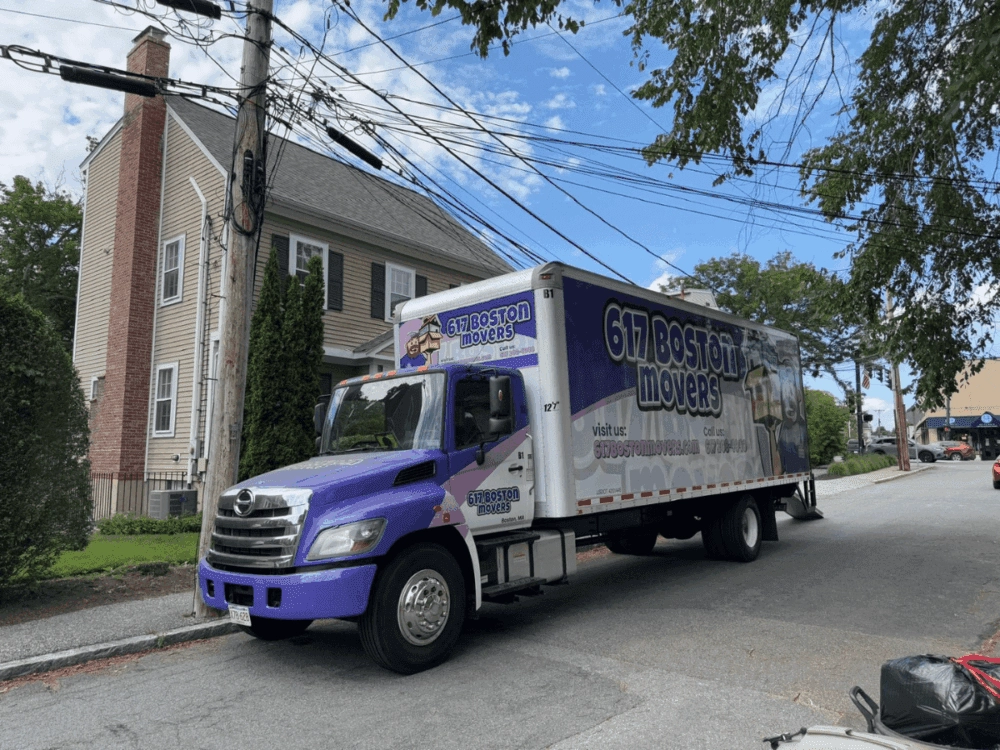
A trusted local option is 617 Boston Movers, where we specialise in business relocations within the Greater Boston region. Our team is hyperlocal, which means we know what each street and building brings in terms of challenges. So, you can count on us to make your move easy.
Tips to Remember Before, During, and After Your Small Business Move
Your planning should start before the actual move. Ideally, have at least a month in your hand before your moving date to plan out. Here are quick checklists for before, during, and after moving your small business.
Before Move
- Notify all the stakeholders: Make sure you let your customers, vendors, suppliers, etc, know about your move.
- Update your business information: Change your old address to the new one with insurance companies, government agencies, and banks.
- Back up your data in the company: For all the digital files, databases, and important documents, create a backup digital file.
- Secure required permits: Arrange needed parking and moving permits, especially for moving truck spaces.
- Utility transfer: Schedule disconnection and transfer of old utilities to the new ones, especially wifi, cameras, etc.
- Begin declutter: Dispose, donate, or sell items you won’t be needing before moving to another place. You’ll often find a lot of unused items, which eventually helps you reduce moving costs.
During Move
- Allocate a point of contact: Assign one person the responsibility of staying in touch with the movers to communicate and assist wherever needed.
- Make a final check of inventory: Document all the items being moved and their conditions before loading them.
- Keep all the important supplies separately: Make them accessible, plus pack a box with all the first-day necessities when you move to a new space.
- Transfer sensitive items by yourself: Keep important documents, cash, or any irreplaceable items separate.
After Move
- Inspect immediately: Once the move is done, check for damages and report them to the moving company immediately, if any.
- Check utilities: Check if electricity, equipment, phones, and internet are all working properly.
- Update your new address: Once you settle, change your address of your Google My Business listing, social media profiles, and website.
- Send a greeting to your customers: Release announcements to your customers about your new location.
- Train staff: Provide all the needed support to your staff so they can adjust to the new space easily. Remember, be considerate and kind.
Final Words
Moving your small business in Boston doesn’t have to be difficult when you plan things ahead of time and well. With the right approach and a moving partner, you can relocate successfully while maintaining your business.
Take action early and work on talking to moving companies to analyze the budget and requirements!
Your business deserves movers who care as much about your success as you do. Call 617 Boston Movers today for a free quote, or visit us in person to make your transition smooth!


