
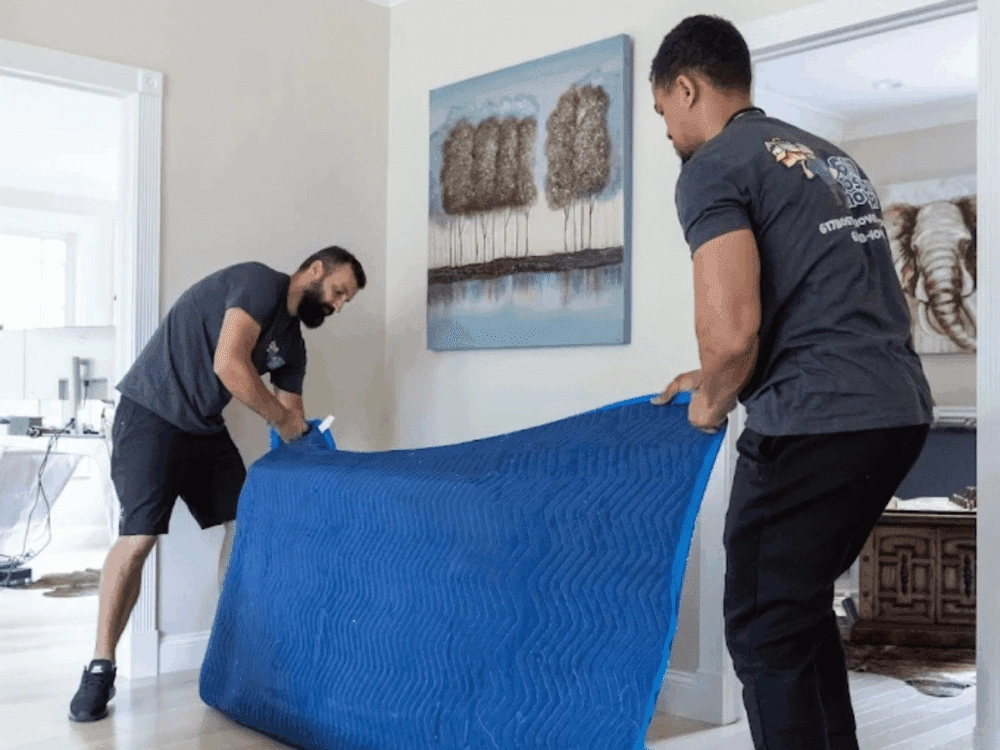
Moving is always a stressful process, especially when it comes to packing. Packing isn’t just throwing all your stuff in boxes. It’s all about preserving your memories safely in a box and ensuring they arrive at your new home intact, without any damage or loss.
And in order to execute this, one needs to have a checklist by room, so you don’t end up leaving anything behind. In this blog post, we are going to offer a complete checklist by room, so you can rest assured.
With that, let’s get into the details.
Packing Supplies Essentials You Will Need
Before you begin packing, it’s important to have some of the “must-haves” items with you. Trust us, having things prepared is better than running to look for a tape at 11 PM.
Bubble Wraps and Packing Paper
Having bubble wraps and packing papers is crucial. This is because bubble wraps will protect your fragile items from breaking, whereas packing paper will wrap your dishes without leaving ink marks (unlike newspapers).
Boxes of Various Sizes
Without having boxes, you won’t be able to move items. Have boxes of multiple sizes to fit items. For instance, you’ll need large boxes for lighter items like linens, small boxes for heavy items like books, and medium-sized ones for kitchen goods.
Packing Tape
Get heavy-duty duct tape for packing your boxes properly. Avoid the lighter ones.
Markers and Labels
For labelling your boxes, you’ll need markers and labels. You should be able to find these supplies in stationery. Also, don’t forget to get the fragile stickers.
Must read before packing fragile items: Expert Tips for Packing Special Items
Packing Checklist By Room
Once you have the essentials ready, use this checklist by room. This will prevent you from the sudden panic of “where did I pack my bedsheets” by keeping similar items by room together.
Packing For the Living Room

Your living room contains some of the most important items. Take your time to pack the living room items:
Cables and Electronics:
Take a picture of your electronics and the connections before you unplug. This will save you when you fit in your electronics again. Ensure you pack electronics in bubble wrap to avoid damage and pack cables in labeled bags attached to each device. If you still have the original box, that would be great.
Media and Books:
Books weigh heavily, so consider packing them in small boxes. Additionally, ensure to pack DVDs, games, CDs, or other media in proper bubble wrap.
Artwork and decoratives:
Never pack your frames flat. Instead, wrap them vertically and individually. Additionally, if you have precious artworks, consider professional packing by asking your movers if they can assist you. Furthermore, sculptures, vases, and other decor items need to be packed generously with bubble wrap and labeled “fragile.”
Furniture, cushions, and curtains:
The best way you can use cushions is by using them as padding for your fragile items. You can also remove them and pack them separately. Moreover, throws and blankets can protect furniture surfaces during moves.
Packing For the Bathroom
You’ll be needing bathroom essentials immediately once you move to a new place. So always keep them accessible and use the checklist below:
Toiletries and medications:
Have your daily medications in a separate bag and keep it with you (not in the moving truck). For toiletries, first check for the expiry date. Throw away the expired items and secure all bottle caps with tape to avoid leaks.
Towels and linens
You can use your linens and towels for padding for fragile items. Before packing them in boxes, you can use them to wrap your fragile items or decor in the bathroom to help you save money on bubble wrap.
Cleaning supplies:
Flammable products or aerosol ones have restrictions, so first check with your local movers in Boston. Next, keep one set aside for cleaning before you leave your space and pack the rest securely. Ensure you keep them together and label the box clearly.
Hardware and decor:
Your curtains, decor, and bath mats should be packed in labeled boxes. If you are taking towel or curtain bars with you, pack them in small labeled bags taped to the items.
Packing For the Bedroom
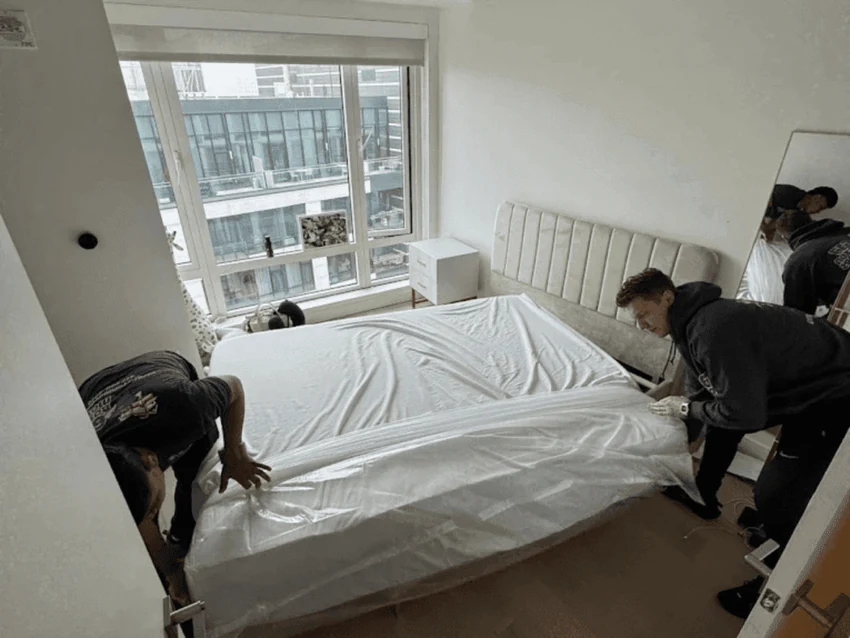
Your bedroom needs extra care and organization since it will contain a lot of personal items. Use the checklist below to pack your items:
Bedding and pillows:
Strip your bed and pack it properly. Usually, vacuum-seal bags work best for comforters and extra pillows. Also, keep one bedsheet accessible because you don’t want to sleep on a bare mattress after a tiring moving day.
Clothes and accessories:
Fold and pack seasonal clothes first, and leave the hanging clothes with hangers and cover them with garbage bags to avoid dust. For accessories, wrap them in tissue paper properly. For packing shoes, be sure to wrap them in paper to prevent creasing and store them in boxes or bags.
Dresser content and drawers:
Empty all the drawers and keep your jewelry packed properly in a separate jewelry box. Similarly, keep all your documents in one single folder and keep them with you. Moreover, if you have lamps that require removing bulbs, pack them separately.
Personal items:
Your photos, frames, and personal belongings deserve extra attention. Pack them carefully and take them with you. We recommend that you avoid putting them in the moving truck so they are secure with you.
Packing Checklist For Storage And Garage
Use the checklist below for the garage and storage room:
Seasonal items:
This is the best time to clean up the storage and donate the items you no longer need or haven’t used in years. For other holiday items and decoratives, you can pack them in boxes and label them clearly, so you will only use them as needed.
Memory boxes:
Your school projects, old albums, and photobooks, or any other cherished memories, deserve to be preserved. Pack them securely in a box and make sure you write a detailed label of what is inside the box.
Create a “Miscellaneous” box:
Have a box labeled miscellaneous clearly, and add all those spare items you have. These include extra light bulbs, cord extensions, etc. Remember, avoid overpacking and don’t create a “junk box.” Throw away the items you don’t need.
Tools and Hardware:
Secure the tools together and pack them properly. Store small hardware items, such as screws and nails, in a secure box. Furthermore, if you have loose tools, group them together to pack.
Automotive Supplies:
Keep your car care products, car accessories, and other automotive materials intact. Remember, moving companies also have restrictions on the transportation of gasoline, propane tanks, and paint thinners. Therefore, plan to dispose of them properly or transport them yourself by following all the safety guidelines.
Chemicals and gardening supplies:
Drain gas from lawn equipment before moving. Pesticides and fertilizers may not be allowed in the moving truck. Based on the guidelines by your mover in Boston, see if you have to dispose of them or pack them properly.
Final Words
Packing for your next move doesn’t have to be overwhelming. With the checklist above and having a plan for room-by-room, you can easily tackle this challenge.
Remember, the key to a smooth process is to start early and avoid panicking. Take it easy and slow. And remember, you’ve got this!
To avoid DIY packing and make the process easier and stress-free, hire packing services in Boston where they handle everything from packing supplies to unpacking.


